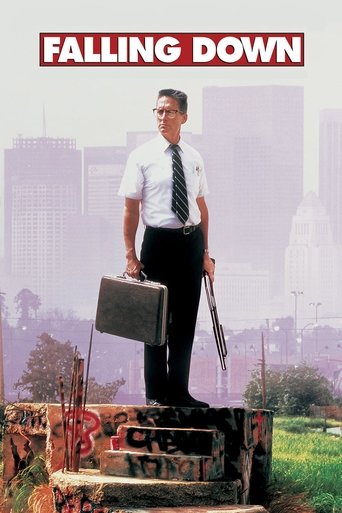
Falling Down 1993
An ordinary man frustrated with the various flaws he sees in society begins to psychotically and violently lash out against them.
An ordinary man frustrated with the various flaws he sees in society begins to psychotically and violently lash out against them.
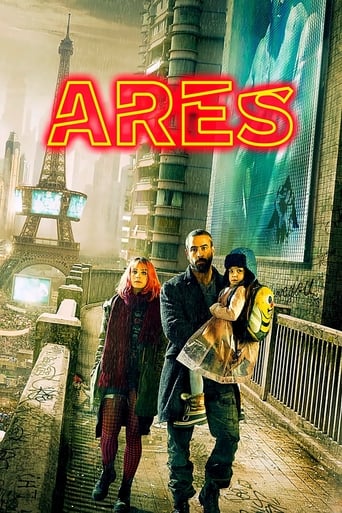
In a near future, the world order has changed. With its 10 millions of unemployed citizens, France has now become a poor country. Its people wavers between rebellion and resignation and find an outlet in the shape of TV broadcast ultra brutal fights in which the players are legally doped and unscrupulous.
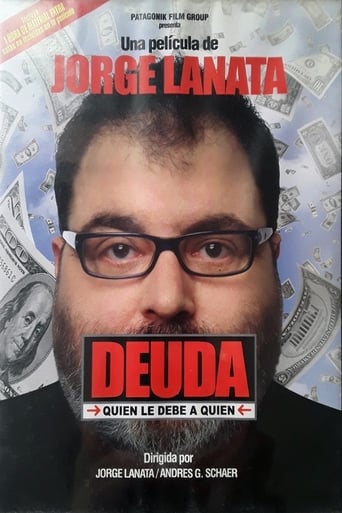
DEBT is the story of a frantic pursuit: the search for the responsible for the televised cry of hunger of Barbara Flores, an eight-year-old Argentinean girl. Buenos Aires, Washington, the IMF, the World Bank and Davos; corruption and the international bureaucratic lack of interest.
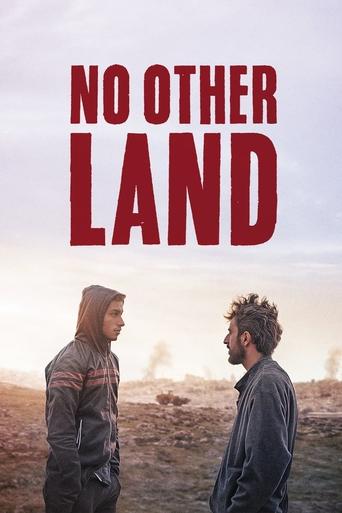
This film made by a Palestinian-Israeli collective shows the destruction of the occupied West Bank's Masafer Yatta by Israeli soldiers and the alliance which develops between the Palestinian activist Basel and Israeli journalist Yuval.
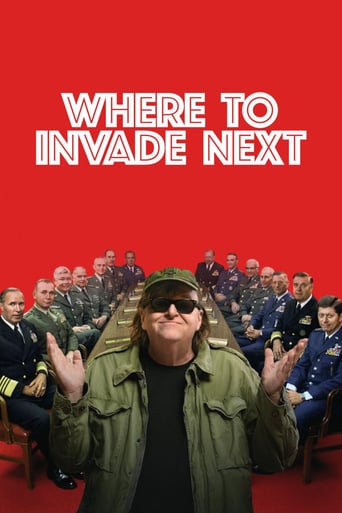
To understand firsthand what the United States of America can learn from other nations, Michael Moore playfully “invades” some to see what they have to offer.

Misuzu Hara (Nao) works as a high school teacher and prefers to keep a distance from her students. In her past, she was raped by her best friend’s boyfriend Hayafuji after he found out she liked him. She didn't report the crime to the police and she didn't tell anyone else what happened. She still suffers from the trauma from what happened, but she continues to have a forceful relationship with Hayafuji who is now her best friend’s fiancee. One day, a rumor spreads that her student Yuki Niizuma is in a secret affair. Misuzu Hara, as his teacher, has a meeting with him to provide counseling.

Hanako Haibara was born and raised in the city of Tokyo. After she gets dumped by her boyfriend, while in her late 20's, she goes on blind dates to find a man to marry. Miki Tokioka was born in a province. She studied very hard and entered a prestigious university in Tokyo. She experienced difficult financial times, but she now works at an IT company. Due to a man, Hanako Haibara and Miki Tokioka meet each other.

A woman threatens to leave her husband unless he installs a toilet in their home. To win back her love and respect, he heads out on a journey to fight against the backward society.

An unsuspecting homeless man comes across a dead body and a valuable necklace. When he tries to do the right thing, he finds himself trapped in an incredibly dangerous situation.
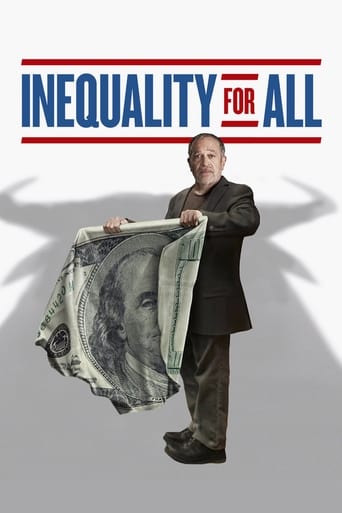
Based on Reich's 2010 book Aftershock: The Next Economy and America's Future, the film examines widening income inequality in the United States. U.S. Labor Secretary Robert Reich tries to raise awareness of the country's widening economic gap. He publicly argued about the issue for decades, and producing a film of his viewpoints was a "final frontier" for him. In addition to being a social issue documentary, Inequality for All is also partially a biopic regarding Reich's early life and his time as Secretary of Labor under Bill Clinton's presidency. Warren Buffett and Nick Hanauer, two entrepreneurs and investors in the top 1%, are interviewed in the film, supporting Reich's belief in an economy that benefits all citizens, including those of the middle and lower classes.
Jamie Johnson takes the exploration of wealth that he began in Born Rich one step further. The One Percent, refers to the tiny percentage of Americans who control nearly half the wealth of the U.S. Johnson's thesis is that this wealth in the hands of so few people is a danger to our very way of life.
Ilyas and Brahim work at a television repair shop. When the end of the day arrives, his boss sends them to bring a television to a costumer on the other side of Barcelona, hours before the much-anticipated FC Barcelona's UEFA Champions League final, endangering their friendship and their job in order to get to see the game.
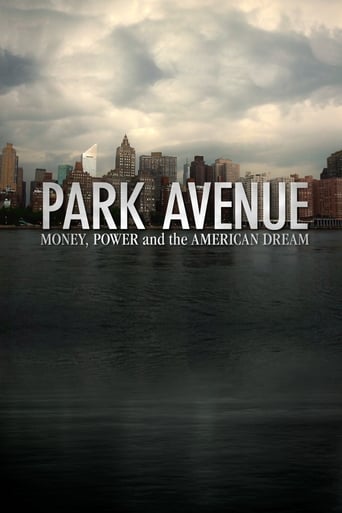
If income inequality were a sport, the residents of 740 Park Avenue in Manhattan would all be medalists. This address boasts the highest number of billionaires in the United States.

Two decades after the initial exposé of the corporation, this follow-up unveils a world now fully remade in its image and perilously close to fascism.
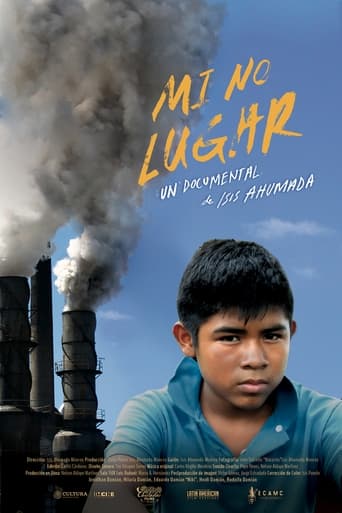
A boy migrates from Guerrero to Colima in Mexico, guided by the illusion of his parents, who want him to study high school. Nevertheless, the inequality barriers force him to work as a sugarcane harvester.

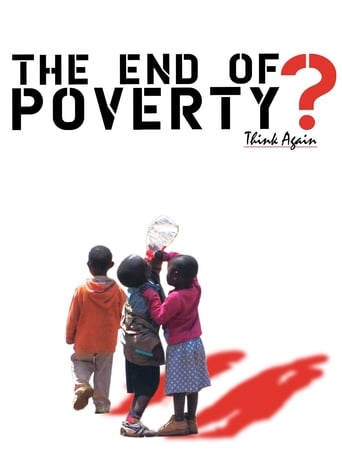
The End of Poverty? asks if the true causes of poverty today stem from a deliberate orchestration since colonial times which has evolved into our modern system whereby wealthy nations exploit the poor. People living and fighting against poverty answer condemning colonialism and its consequences; land grab, exploitation of natural resources, debt, free markets, demand for corporate profits and the evolution of an economic system in in which 25% of the world's population consumes 85% of its wealth. Featuring Nobel Prize winner Amartya Sen and Joseph Stiglitz, authors/activist Susan George, Eric Toussaint, Bolivian Vice President Alvaro Garcia Linera and more.
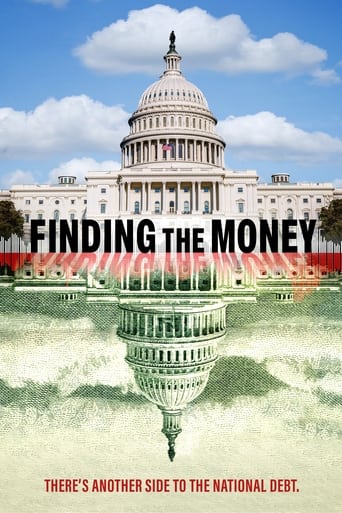
FINDING THE MONEY follows economist Stephanie Kelton on a journey through Modern Money Theory or “MMT”. Kelton provocatively asserts the National Debt Clock that ticks ominously upwards in New York City is not actually a debt for us taxpayers at all, nor a burden for our grandchildren to pay back. Instead, Kelton describes the national debt as simply a historical record of the number of dollars created by the US federal government currently being held in pockets, as assets, by the rest of us. MMT bursts into the media with journalists asking, “Have we been thinking about how the government spends money, all wrong?” But top economists from across the political spectrum condemn the theory as “voodoo economics”, “crazy” and “a crackpot theory”. FINDING THE MONEY traces the conflict all the way back to the story we tell about money, injecting new hope and empowering countries around the world to tackle the biggest challenges of the 21st century: from climate change to inequality.
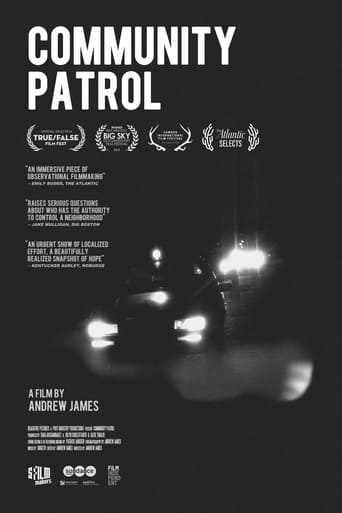
It’s been widely reported that Detroit is making a comeback, but long-term residents of Detroit’s mostly black neighborhoods aren’t seeing much benefit. Crime, lack of opportunity and infrastructure problems still persist. Community Patrol explores neighborhood self-policing through the eyes of Minister Malik Shabazz, a long-time Detroit activist and community organizer. Determined that more black men don’t end up in jail or killed, the minister confronts drug offenders directly rather than reporting them to the police.
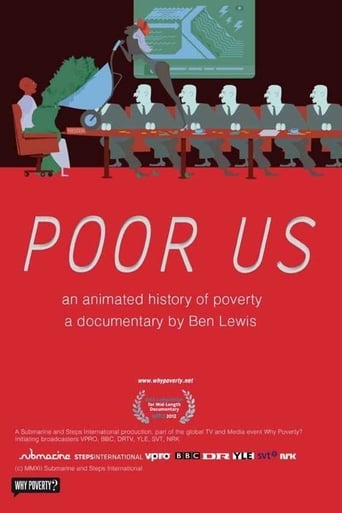
The poor may always have been with us, but attitudes towards them have changed. Beginning in the Neolithic Age, Ben Lewis's film takes us through the changing world of poverty. You go to sleep, you dream, you become poor through the ages. And when you awake, what can you say about poverty now? There are still very poor people, to be sure, but the new poverty has more to do with inequality...

The Academy is the training center of Apolo FC, one of the best soccer clubs in the world, where boys and girls fight for a shared dream: to succeed in the first team. Adrian, captain of the boys' youth team and son of a former club legend, sees his position in the team threatened when his coach Willy discovers Jairo, recently landed from Colombia, with an innate talent. Rivals on the team and roommates, their coexistence becomes hell... and the fact that Adrian is a closeted gay won't make things any easier....
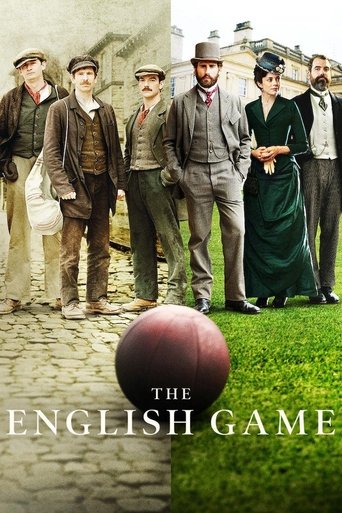
Two 19th-century footballers on opposite sides of a class divide navigate professional and personal turmoil to change the game — and England — forever.
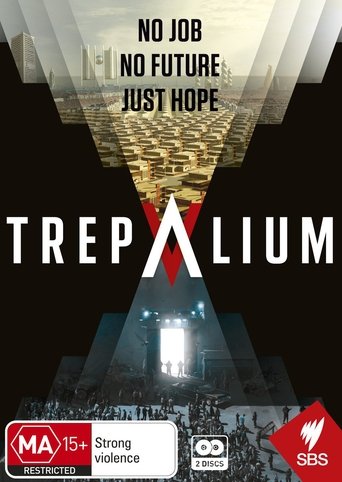
The economic situation is a nightmare: only 20% of the population is employed. The Actives live inside the city. On the fringes, in the Zone, live the Jobless. Separating them is a wall.

Martijn Blekendaal and Finbarr Wilbrink travel along the Underground Railroad, the underground network that helped thousands of enslaved people escape to freedom. They ask themselves: How does the past of slavery impact contemporary life in America?
